Nissan Sentra Warning Malfunction: A Comprehensive Guide
Navigating the “Warning Malfunction See Owners Manual” message requires understanding its broad scope, encompassing various systems and potential issues within your Nissan Sentra.
Understanding the “Warning Malfunction See Owners Manual” Message
The ominous “Warning Malfunction See Owners Manual” illuminated on your Nissan Sentra’s dashboard isn’t a specific error code, but rather a general alert indicating a system has detected a problem requiring attention. It’s a catch-all message designed to prompt owners to consult their vehicle’s manual for detailed guidance. This message doesn’t pinpoint the exact issue; instead, it signals a need for further investigation.
Essentially, the car’s computer has identified an anomaly but lacks the specificity to display a precise error. The owner’s manual provides crucial context, outlining potential causes and recommended actions. Ignoring this warning could lead to more significant, costly repairs down the line. It’s a proactive signal, urging drivers to address a potential issue before it escalates into a breakdown or safety hazard.
Common Causes of the Warning Light
Numerous factors can trigger the “Warning Malfunction See Owners Manual” message in a Nissan Sentra, ranging from minor inconveniences to serious mechanical failures. A frequently cited culprit is a loose or faulty gas cap, disrupting the fuel system’s pressure. However, more complex issues often underlie the alert, including problems within the anti-lock braking system (ABS), airbag system, or transmission.
Battery and charging system malfunctions are also common triggers, as are issues with the check engine light (CEL) system itself. Sensor failures, such as the oxygen sensor or mass airflow sensor, can also generate this warning. It’s crucial to remember this light doesn’t always indicate a critical failure; sometimes, it’s a minor glitch requiring a simple reset. Thorough diagnostics are essential to pinpoint the root cause.
Issues with the Check Engine Light (CEL) System
The Check Engine Light (CEL) system in a Nissan Sentra is a complex network of sensors and modules, making it a frequent source of the “Warning Malfunction” message. Problems can stem from a faulty oxygen sensor, impacting fuel efficiency and emissions. A malfunctioning mass airflow sensor can also trigger the light, affecting engine performance. Issues with the catalytic converter, responsible for reducing harmful emissions, are another common cause.
Furthermore, problems with the evaporative emissions control system (EVAP), often linked to the gas cap, can activate the CEL. Spark plug or ignition coil failures can also contribute. Diagnosing CEL issues requires an OBD-II scanner to retrieve diagnostic trouble codes (DTCs), providing clues to the underlying problem. Ignoring a persistent CEL can lead to more significant and costly repairs.
Problems with the Anti-lock Braking System (ABS)
The Anti-lock Braking System (ABS) is crucial for maintaining control during emergency braking, and malfunctions within this system frequently trigger the “Warning Malfunction” alert in a Nissan Sentra. Common issues include faulty wheel speed sensors, which provide data to the ABS module. A failing ABS module itself can also be the culprit, disrupting the entire system’s functionality.
Problems with the ABS pump motor, responsible for applying brake pressure, are another potential cause. Low brake fluid levels can sometimes activate the ABS warning light, though this often accompanies a separate brake warning indicator. Diagnosing ABS issues requires specialized scan tools capable of reading ABS-specific codes. A compromised ABS system significantly impacts braking performance and safety, demanding prompt attention from a qualified mechanic.
Transmission System Malfunctions
Transmission problems are a frequent source of the “Warning Malfunction” message in Nissan Sentras, ranging from minor fluid leaks to severe internal damage. Issues can stem from low transmission fluid levels, causing erratic shifting or a complete loss of drive. A failing variable transmission (CVT) – common in Sentras – often triggers this warning, indicating potential belt slippage or internal component wear.
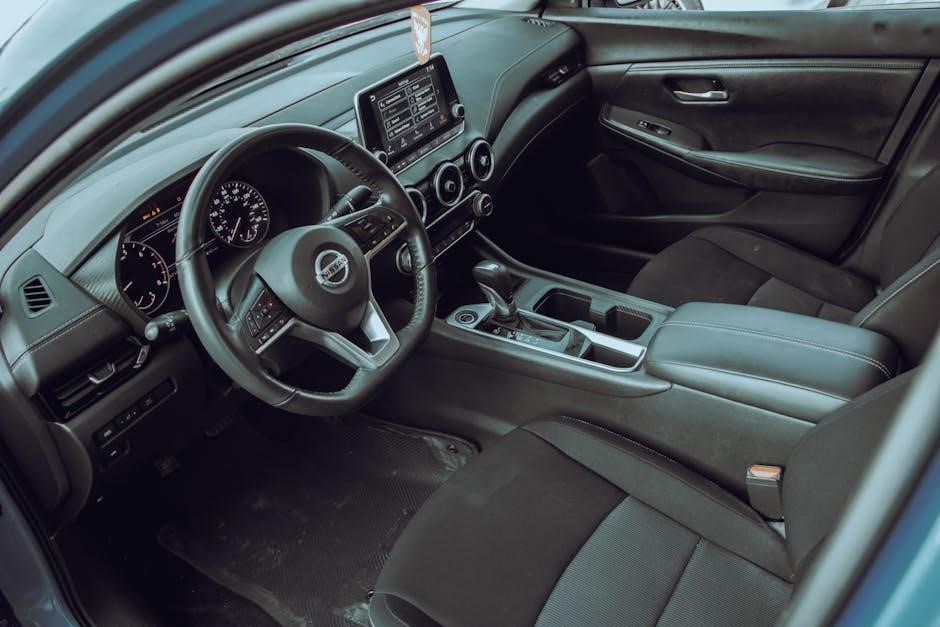
Faulty solenoids, responsible for controlling fluid flow within the transmission, can disrupt shifting patterns; Damaged sensors, like the speed sensor, can also send incorrect data to the transmission control module (TCM). Diagnostic scans are essential to pinpoint the exact cause, revealing specific trouble codes. Ignoring transmission warnings can lead to extensive and costly repairs, potentially requiring a complete transmission replacement.
Airbag System Errors
The “Warning Malfunction” light illuminates when the Nissan Sentra’s airbag system detects an issue, potentially compromising passenger safety. These errors can range from a simple sensor malfunction to a more serious problem with the airbag control module (ACM) or even the airbags themselves. Common causes include faulty crash sensors, located around the vehicle, or a disconnected/damaged wiring harness.
A low battery voltage can sometimes trigger airbag system warnings. The ACM requires sufficient power to function correctly. Diagnostic scans are crucial to identify the specific fault code, indicating which component is malfunctioning. It’s vital to address airbag issues promptly, as a non-functioning airbag system significantly increases the risk of injury during a collision. Never attempt to diagnose or repair airbag systems without professional training.
Battery and Charging System Issues
A “Warning Malfunction” light can signal problems within the Nissan Sentra’s battery or charging system, impacting overall vehicle operation. Low battery voltage, a failing alternator, or issues with the voltage regulator can all trigger this warning. Symptoms may include dim headlights, slow engine cranking, or the vehicle failing to start altogether. Corroded battery terminals or loose connections can also contribute to the problem.
The charging system is responsible for maintaining the battery’s charge while the engine is running. If it’s not functioning correctly, the battery will eventually drain, leading to a complete shutdown. Diagnostic testing should include checking the battery’s voltage, alternator output, and the condition of the wiring. Addressing these issues promptly prevents further damage and ensures reliable vehicle performance.

Diagnostic Steps You Can Take
Before rushing to a mechanic, several preliminary diagnostic steps can help pinpoint the cause of the “Warning Malfunction” light in your Nissan Sentra. Begin by carefully checking the gas cap – a loose cap can trigger the light. Next, inspect all fluid levels, including engine oil, coolant, and brake fluid, ensuring they are within the recommended ranges. Low fluid levels can indicate underlying issues.
A crucial step is utilizing an OBD-II scanner, readily available at most auto parts stores, to retrieve diagnostic trouble codes (DTCs). These codes provide valuable clues about the affected system. Interpreting these codes, often found online or in the owner’s manual, can guide further investigation. Remember to document all findings before seeking professional assistance, streamlining the repair process.
Checking the Gas Cap
A surprisingly common culprit behind the “Warning Malfunction” light is a loose, damaged, or improperly sealed gas cap. This seemingly minor component plays a vital role in the fuel system’s integrity, preventing fuel vapors from escaping. When the system detects a leak, it illuminates the warning light. To check, simply remove the gas cap and carefully inspect the rubber seal for cracks or damage.
Reinstall the cap, ensuring it clicks several times until it’s firmly tightened. After tightening, clear the code with an OBD-II scanner if possible, or allow the system a few drive cycles to reset itself. If the light remains on after this simple check, the issue likely lies elsewhere, requiring further diagnostics.
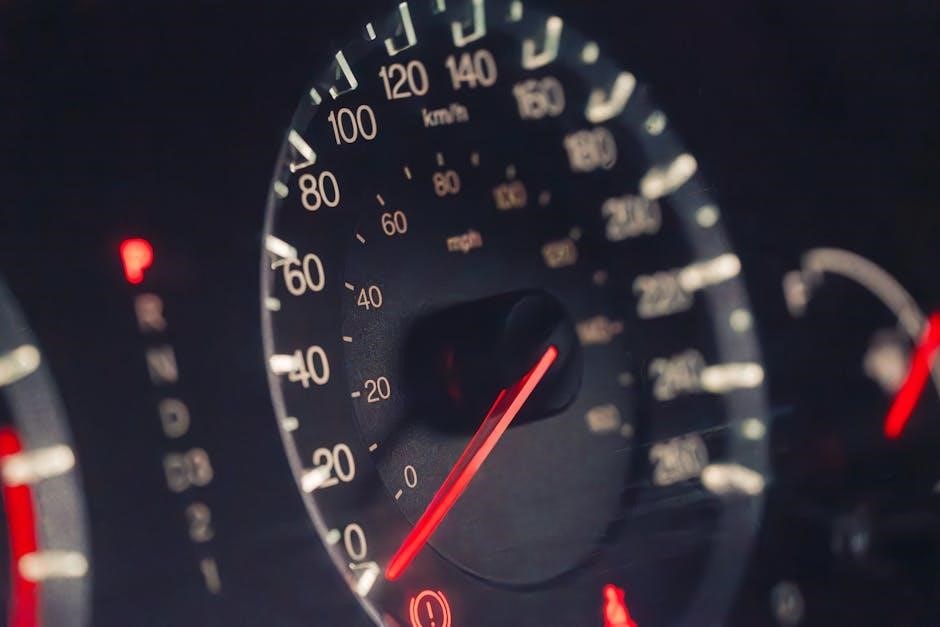
Inspecting Fluid Levels (Oil, Coolant, Brake Fluid)
Low fluid levels can trigger the “Warning Malfunction” light, indicating potential system compromises. Begin by checking the engine oil level using the dipstick; ensure it falls within the marked minimum and maximum lines. Next, inspect the coolant reservoir, verifying the coolant level is adequate – never open the radiator cap when the engine is hot! Finally, examine the brake fluid reservoir, ensuring the fluid is at the proper level.
Significant fluid loss suggests a leak requiring immediate attention. Top off fluids as needed, using the correct type specified in your owner’s manual. If levels consistently drop, a professional inspection is crucial to identify and repair the underlying leak before further damage occurs.
Using an OBD-II Scanner
An OBD-II scanner is invaluable for deciphering the “Warning Malfunction” light’s meaning. Locate the OBD-II port, typically under the dashboard on the driver’s side. Connect the scanner and turn the ignition to the “on” position (engine off). The scanner retrieves Diagnostic Trouble Codes (DTCs) stored by the vehicle’s computer.
These codes pinpoint the specific system or component triggering the warning. Record all codes displayed, as they provide crucial clues for diagnosis. Many scanners also offer code definitions, providing a preliminary understanding of the issue. However, a code only indicates a problem area; further investigation is often needed to confirm the root cause and implement the correct repair.
Interpreting OBD-II Codes
OBD-II codes are categorized, offering clues to the malfunction’s nature. Codes beginning with ‘P’ relate to powertrain issues (engine, transmission). ‘B’ codes indicate body system problems (airbags, lights). ‘C’ codes concern chassis systems (ABS, stability control), and ‘U’ codes signal network communication errors.
A code like ‘P0300’ signifies a random/multiple cylinder misfire. ‘C1234’ might point to an ABS control module fault. Online resources and repair manuals provide detailed explanations for each code. Remember, a code isn’t a definitive diagnosis; it’s a starting point. Multiple codes may appear, indicating interconnected issues. Prioritize codes based on severity and potential impact on vehicle safety and operation.
When to Consult a Mechanic
Despite DIY diagnostic efforts, certain situations demand professional attention. If the warning light flashes, indicating a severe issue potentially causing immediate damage, cease driving and seek a mechanic. Recurring warning lights, even after resetting codes, signal an underlying problem needing expert diagnosis. Complex issues like transmission malfunctions, ABS failures, or airbag system errors require specialized tools and knowledge.
If you lack confidence in interpreting OBD-II codes or performing repairs, a mechanic is crucial. Ignoring a warning light can lead to more extensive and costly repairs down the line. Prioritize safety; a qualified technician can accurately identify and resolve the issue, ensuring your Nissan Sentra’s reliable operation.
Severity Levels of the Warning Light
The “Warning Malfunction” light’s intensity indicates problem urgency. A steadily illuminated light often signifies a non-critical issue, allowing continued driving with monitoring. However, a flashing light demands immediate attention, suggesting a severe malfunction potentially causing damage to the engine or other vital components. Ignoring a flashing warning could lead to costly repairs.
Some warnings relate to safety systems like ABS or airbags, requiring prompt professional inspection. Even a solid light shouldn’t be dismissed; it indicates a system isn’t functioning optimally. Regularly checking the owner’s manual helps decipher specific warning meanings and associated risks, guiding appropriate action and preventing escalation.
Potential Repair Costs
Repair expenses for a “Warning Malfunction” vary drastically based on the underlying cause. A simple fix, like a loose gas cap, is virtually free. However, diagnosing and resolving issues within the ABS, transmission, or airbag systems can quickly escalate costs. Expect to pay between $100 and $1,500 or more, depending on the complexity.
Diagnostic scans typically range from $75 to $200. Parts costs fluctuate significantly; sensors might be $50-$300, while a new ABS module could exceed $800. Labor charges add another $100-$200 per hour. Obtaining multiple quotes from reputable mechanics is crucial for fair pricing. Prioritizing timely diagnosis prevents minor issues from becoming major, and more expensive, repairs.
Emergency Roadside Kit Essentials for a Stranded Sentra
When a “Warning Malfunction” leaves your Nissan Sentra disabled, a well-stocked emergency kit is invaluable; Essential components include jumper cables for battery boosts, and a comprehensive first aid kit addressing minor injuries. A multi-tool provides versatile repair capabilities, while emergency lighting – flares or reflective triangles – enhances visibility and safety.

Consider a tow rope for minor relocation, and basic tools like wrenches and screwdrivers. Don’t forget gloves, a flashlight with extra batteries, and a brightly colored safety vest. A comprehensive kit, often available pre-assembled, offers peace of mind. Regularly inspect and replenish supplies to ensure readiness for unexpected roadside emergencies, maximizing your safety and minimizing delays.
Jumper Cables and Battery Boosters
A dead battery is a frequent culprit behind a “Warning Malfunction” in a Nissan Sentra, making jumper cables crucial. Ensure your cables are heavy-duty, with sufficient length to reach another vehicle’s battery. Familiarize yourself with proper jump-starting procedures – incorrect connection can damage your vehicle’s electrical system.
Battery boosters, offering a self-contained power source, provide an alternative to relying on another vehicle. These are particularly useful if you’re stranded alone. Consider a booster with built-in safety features like reverse polarity protection. Regularly check your Sentra’s battery health, especially during extreme temperatures, to proactively prevent unexpected failures and the associated warning messages.
First Aid Kit Contents
While a “Warning Malfunction” might not directly relate to injury, a well-stocked first aid kit is essential for any roadside emergency involving your Nissan Sentra. Your kit should include assorted bandages, antiseptic wipes, gauze pads, adhesive tape, pain relievers, and antibiotic ointment for minor cuts and abrasions.
Consider adding burn cream, emergency blankets, and gloves. A CPR mask is a valuable addition, and a first aid manual provides guidance in stressful situations. Regularly inspect your kit, replacing expired items. Knowing basic first aid can be crucial while awaiting assistance, ensuring you can address minor injuries until professional help arrives, regardless of the underlying vehicle malfunction.
Emergency Lighting and Reflective Triangles
Should your Nissan Sentra display a “Warning Malfunction” and force you to stop, visibility is paramount. Emergency lighting, such as flares or LED warning lights, alerts approaching traffic to your presence, minimizing the risk of a secondary accident. Reflective triangles provide a stable, visible warning, especially during daylight hours or in inclement weather.
LED flares are reusable and safer than traditional flares. Ensure your lighting devices have fresh batteries. Position reflective triangles at appropriate distances – 10 feet, 100 feet, and 200 feet – behind the vehicle on a straight road. Prioritize your safety and the safety of others by making your disabled Sentra highly visible while awaiting assistance, regardless of the malfunction’s cause.
Basic Tools and Repair Supplies
Even with a “Warning Malfunction” illuminated, a basic toolkit can aid in preliminary assessments of your Nissan Sentra. A multi-tool, adjustable wrench, pliers, and a screwdriver set are invaluable. Duct tape can provide temporary fixes for minor leaks or loose components. While not a substitute for professional diagnosis, these tools allow for simple checks – like ensuring battery terminals are secure – before calling for assistance.
Consider including work gloves to protect your hands. A small flashlight is essential for nighttime inspections. Remember, attempting complex repairs without proper knowledge can exacerbate the issue. These supplies are for minor troubleshooting only, prioritizing safety until a qualified mechanic can address the underlying malfunction.

Towing Considerations
If the “Warning Malfunction” persists and renders your Nissan Sentra undrivable, towing is often necessary. Prioritize flatbed towing to prevent further damage, especially if the issue involves the transmission or drivetrain. Incorrect towing can worsen the underlying problem and increase repair costs. Verify your roadside assistance coverage – many insurance policies or auto club memberships include towing services.
When requesting a tow, inform the operator about the warning light and any observed symptoms. This helps them take appropriate precautions during transport. Choose a reputable towing company with experienced drivers. Ensure the vehicle is properly secured to the flatbed to avoid shifting during transit. Safe towing minimizes the risk of additional complications.
Importance of a Well-Stocked Emergency Kit
A comprehensive emergency kit is crucial when facing a “Warning Malfunction” situation with your Nissan Sentra, potentially leaving you stranded. Beyond the immediate issue, unforeseen circumstances can arise, demanding preparedness. A well-stocked kit provides peace of mind and essential resources until professional help arrives.
Essential components include jumper cables, a first-aid kit, reflective triangles, and emergency lighting. Consider adding a multi-tool, gloves, and basic repair supplies. Having these items readily available can address minor issues or improve visibility while awaiting assistance. A proactive approach to emergency preparedness significantly enhances safety and reduces stress during unexpected breakdowns, especially when a warning light signals a potential problem.
Resources for Nissan Sentra Owners (Manuals, Forums)
When encountering a “Warning Malfunction” message, your Nissan Sentra’s owner’s manual is the first, vital resource. It provides specific guidance related to warning lights and troubleshooting steps for your model year. Beyond the manual, online Nissan Sentra forums are invaluable. These communities connect owners sharing experiences, diagnostic tips, and potential solutions related to similar warning malfunctions.
Websites dedicated to automotive repair and Nissan-specific information offer detailed diagrams and repair procedures. Utilize these resources to understand potential causes and assess the severity of the issue. Remember to verify information from forums with reliable sources before attempting any repairs. These resources empower owners to better understand their vehicle and communicate effectively with mechanics.
 By
By