Microneedling Post-Care Instructions: A Comprehensive Guide
Following microneedling, expect initial redness and sensitivity, resembling a sunburn. Avoid makeup for at least 12 hours and prioritize gentle skincare. Consistent sun protection is vital for optimal healing and results.
Understanding the Initial 24-48 Hours
The first 24 to 48 hours post-microneedling are crucial for initiating the healing process. Immediately after treatment, your skin will likely exhibit noticeable redness and feel akin to a mild sunburn. Some pinpoint bleeding is perfectly normal and should subside quickly. It’s essential to avoid applying makeup or any other cosmetic products for a minimum of 12 hours, allowing the micro-channels created during the procedure to remain open and clean.

During this period, your skin’s barrier function is temporarily compromised, making it more susceptible to irritation and infection. Expect a feeling of tightness, and refrain from harsh scrubbing or exfoliating. Focus on keeping the treated area clean and hydrated with gentle, recommended products.
Redness typically begins to diminish within 24-48 hours, though a pinkish hue may linger. This initial phase sets the stage for collagen production and skin rejuvenation, so diligent adherence to post-care instructions is paramount for achieving optimal results and minimizing potential complications.
Immediate Post-Treatment Appearance (Redness & Sensitivity)
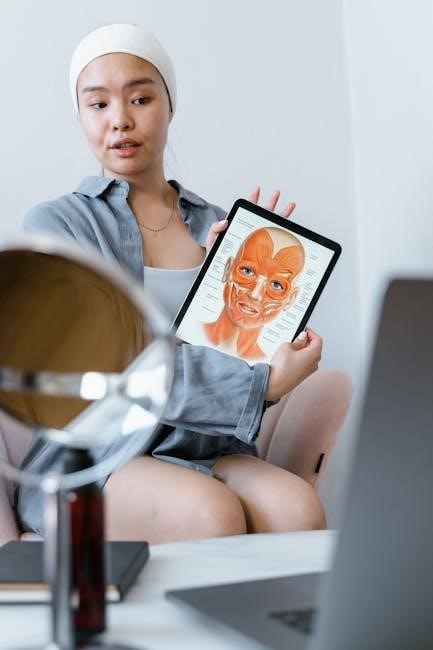
Expect significant redness immediately following your microneedling session; this is a normal physiological response. Your skin will resemble a sunburn, and a flushed appearance is common, varying in intensity based on the treatment depth. Pinpoint bleeding may occur, but this is generally minimal and self-limiting. Alongside redness, anticipate a sensation of warmth and heightened sensitivity to the touch.

The treated area may feel tight, almost as if a mask is applied. This sensation is due to the skin’s natural response to the micro-injuries created during the procedure. Avoid touching or manipulating the skin unnecessarily during this initial phase.
This immediate redness and sensitivity are indicators that the collagen stimulation process has begun. While it may appear concerning, it’s a temporary condition that typically subsides within 24 to 48 hours. Gentle care and adherence to post-treatment instructions are crucial for managing these initial effects effectively.
Avoiding Makeup and Harsh Products
For at least 12-24 hours post-microneedling, strictly avoid wearing makeup. This includes foundation, concealer, blush, and any other cosmetic products. The tiny micro-channels created during the procedure need to remain open and unobstructed to facilitate optimal healing and product absorption of recommended post-care items. Makeup can trap bacteria and significantly increase the risk of infection.
Beyond makeup, refrain from using harsh skincare products containing active ingredients like retinoids, alpha-hydroxy acids (AHAs), beta-hydroxy acids (BHAs), or strong exfoliants. These ingredients can irritate the newly sensitized skin and impede the healing process. Similarly, avoid products with fragrances, alcohol, or harsh chemicals.
Focus on gentle, hydrating products specifically recommended by your practitioner. The skin barrier is temporarily compromised, making it more vulnerable. Prioritizing simplicity and soothing ingredients is paramount during this recovery period. Allow your skin to breathe and heal naturally, avoiding any unnecessary stressors.
Gentle Cleansing Protocol (Days 1-3)
During the first three days following your microneedling treatment, a gentle cleansing routine is crucial. Avoid vigorous scrubbing or harsh cleansers that can irritate the skin. Opt for a mild, pH-balanced cleanser – ideally one specifically formulated for sensitive skin. Look for fragrance-free and alcohol-free options to minimize potential reactions.
When cleansing, use lukewarm water and gently massage the cleanser onto your skin with your fingertips. Avoid using washcloths or exfoliating tools, as these can be too abrasive. Rinse thoroughly with lukewarm water, ensuring all cleanser residue is removed. Pat your skin dry with a clean, soft towel – do not rub.
Limit cleansing to twice daily – once in the morning and once before bed. Over-cleansing can strip the skin of its natural oils and further compromise the skin barrier. Remember, the goal is to keep the skin clean without causing irritation or disrupting the healing process.
Hydration is Key: Recommended Moisturizers
Maintaining optimal skin hydration is paramount after microneedling. The treatment temporarily compromises the skin’s barrier function, making it more susceptible to dryness and irritation. Immediately post-treatment, and for the following days, apply a generous layer of a soothing, hydrating moisturizer.
Look for moisturizers containing ingredients like hyaluronic acid, ceramides, and peptides. Hyaluronic acid attracts and retains moisture, while ceramides help to repair the skin barrier. Peptides can support collagen production, enhancing the long-term benefits of the treatment. Avoid products with fragrances, dyes, or active ingredients like retinol or vitamin C during this initial healing phase.
Apply moisturizer liberally several times a day, or whenever your skin feels tight or dry. Consider using a thicker, occlusive balm at night to lock in moisture. Consistent hydration will promote faster healing, reduce inflammation, and contribute to a smoother, more radiant complexion.
Sun Protection: The Most Crucial Step
Protecting your skin from the sun is absolutely essential following a microneedling treatment. Your skin will be exceptionally sensitive to UV radiation, even on cloudy days. Sun exposure can hinder the healing process, increase the risk of hyperpigmentation, and compromise the results of the procedure.
For the first few weeks after microneedling, diligent sun protection is non-negotiable. Apply a broad-spectrum sunscreen with an SPF of 30 or higher every morning, even indoors. Reapply every two hours, or more frequently if swimming or sweating. Seek shade whenever possible, and wear protective clothing, such as a wide-brimmed hat and sunglasses.
Choose a mineral-based sunscreen containing zinc oxide or titanium dioxide, as these are generally gentler on sensitive skin. Avoid chemical sunscreens, which can cause irritation. Consistent and thorough sun protection will safeguard your skin’s health and ensure optimal healing and long-lasting results.

Managing Potential Side Effects: Pinpoint Bleeding & Swelling
Following microneedling, experiencing some pinpoint bleeding and mild swelling is perfectly normal. This indicates that the treatment has successfully stimulated a healing response within the skin. The pinpoint bleeding should subside within a few hours, and swelling typically reduces within 24-48 hours.
To manage any discomfort, apply a cool compress to the treated area for 10-15 minutes at a time, several times a day. Avoid applying excessive pressure. If swelling persists beyond 48 hours or becomes severe, contact your practitioner.
Avoid picking at any scabs that may form, as this can lead to scarring. Keep the treated area clean and hydrated with a gentle moisturizer. Remember, these side effects are temporary and a sign that your skin is rejuvenating. Proper aftercare will minimize discomfort and promote optimal healing.
Day 2-3: Skin Flaking and Sensitivity
As you enter days two and three post-microneedling, expect increased skin sensitivity and noticeable flaking. This is a natural part of the skin’s renewal process, as the damaged outer layers are shed to reveal fresher skin underneath. Avoid any harsh scrubbing or exfoliating during this phase, as it can disrupt healing.

Continue to prioritize gentle cleansing and hydration. A rich, soothing moisturizer will help to alleviate tightness and minimize discomfort. The skin may still appear slightly pink or red, and this is also normal. Resist the urge to pick or peel the flaking skin, allowing it to come off naturally.
Sun protection remains absolutely crucial during this period, as the new skin is particularly vulnerable. Remember, consistent and diligent aftercare will contribute to a smoother, more radiant complexion.
Avoiding Strenuous Activity & Heat Exposure
For the first 72 hours following your microneedling treatment, it’s essential to avoid strenuous physical activity. Exercise increases blood flow, which can potentially disrupt the healing process and exacerbate redness or swelling. Focus on rest and allow your skin to recover undisturbed.
Similarly, minimize exposure to heat. This includes activities like saunas, hot tubs, and even prolonged sun exposure. Heat can further irritate the skin and hinder optimal healing. Opt for cool or lukewarm showers instead of hot ones.
Avoid situations that cause excessive sweating, as sweat can introduce bacteria to the newly treated skin. Prioritizing a calm and cool environment will significantly contribute to a faster and more comfortable recovery. Remember, patience is key to achieving the best possible results from your microneedling session.
What to Avoid: Irritating Ingredients & Activities
Immediately post-microneedling, your skin barrier is compromised, making it highly susceptible to irritation. Therefore, diligently avoid products containing harsh ingredients for at least one week. This includes retinoids, alpha-hydroxy acids (AHAs), beta-hydroxy acids (BHAs), and strong vitamin C serums.
Steer clear of exfoliating scrubs or any abrasive treatments that could disrupt the healing process. Fragrances, both natural and synthetic, can also cause sensitivity, so opt for fragrance-free skincare. Avoid prolonged sun exposure, as UV rays can inflame the skin and hinder collagen production.
Refrain from picking, scratching, or rubbing the treated area, even if flaking occurs. This can introduce bacteria and potentially lead to complications. Limit your use of makeup for several days, and when you do, choose mineral-based options. Prioritizing gentle, soothing care is paramount during this recovery phase.
Long-Term Care: Maintaining Results
Microneedling initiates a collagen remodeling process that unfolds over weeks and months. To maximize and maintain the benefits, a consistent skincare routine is crucial. Continue prioritizing hydration with a quality moisturizer, focusing on ingredients like hyaluronic acid and peptides to support collagen synthesis.
Sun protection remains non-negotiable, even long after the initial recovery period. Daily broad-spectrum sunscreen with an SPF of 30 or higher is essential to prevent UV damage and preserve your results. Consider incorporating antioxidants into your routine to combat free radicals and further protect your skin.

Regular microneedling sessions, spaced 4-6 weeks apart, can help sustain collagen production and address evolving skin concerns. Consult with your practitioner to determine the optimal treatment schedule for your individual needs and goals. A healthy lifestyle, including a balanced diet and adequate hydration, also contributes to long-term skin health.
Recommended Sunscreens for Post-Microneedling Skin
Post-microneedling skin is exceptionally vulnerable to sun damage, necessitating diligent sun protection. Opt for broad-spectrum sunscreens offering protection against both UVA and UVB rays. Mineral sunscreens containing zinc oxide or titanium dioxide are often preferred, as they are gentle and less likely to cause irritation on newly treated skin.
Look for formulas that are fragrance-free and hypoallergenic to minimize the risk of adverse reactions. Cream-based sunscreens are generally more hydrating, beneficial for skin recovering from microneedling. SPF 30 or higher is recommended, reapplying every two hours, or more frequently if swimming or sweating.
Consider sunscreens specifically designed for sensitive skin. Some excellent options include EltaMD UV Clear Broad-Spectrum SPF 46, La Roche-Posay Anthelios Mineral Zinc Oxide Sunscreen SPF 50, and CeraVe Hydrating Mineral Sunscreen SPF 30 Face. Remember, consistent sunscreen use is paramount to preserving your results and maintaining skin health.
Recognizing and Addressing Potential Complications (Infection)
While rare, infection is a potential complication following microneedling. Vigilance is key to early detection and prompt treatment. Be alert for signs such as increased pain, swelling, redness, or warmth around the treated area. The appearance of pus or a foul odor are also concerning indicators.
If you suspect an infection, avoid touching or picking at the area to prevent further spread. Immediately discontinue any skincare products, except for gentle cleansers recommended by your practitioner. Do not attempt to self-treat with antibiotics.
Contact your practitioner immediately if you observe any signs of infection. They may prescribe oral or topical antibiotics to address the issue. Maintaining meticulous hygiene during the aftercare period, as instructed, significantly minimizes the risk of infection. Prompt medical attention is crucial to prevent complications and ensure optimal healing.
When to Contact Your Practitioner
Prompt communication with your practitioner is essential for addressing any concerns post-microneedling. Don’t hesitate to reach out if you experience anything beyond the expected redness and mild sensitivity. Specifically, contact them immediately if you notice signs of infection – increased pain, swelling, pus, or fever.
Unusual or prolonged side effects warrant a call. This includes persistent pinpoint bleeding, excessive swelling that doesn’t subside within 48 hours, or the development of blisters. Any changes in skin texture that cause concern should also be reported.
If you experience an allergic reaction – hives, itching, difficulty breathing – seek immediate medical attention. Your practitioner can provide personalized guidance based on your skin type and treatment intensity. They are your best resource for ensuring a safe and effective recovery, and addressing any unexpected issues that may arise.
Microneedling and Collagen Production: A Recap
Microneedling’s core benefit lies in its ability to stimulate collagen production. The tiny punctures created by the device trigger a wound-healing response, prompting the skin to generate new collagen and elastin. These proteins are fundamental for maintaining skin’s firmness, elasticity, and youthful appearance.
This process isn’t immediate; collagen synthesis continues for weeks and months following treatment. That’s why you’ll see gradual improvements in skin texture, tone, and the reduction of scars or wrinkles over time. Consistent post-care, particularly sun protection, is crucial to support this collagen remodeling process.
By encouraging collagen growth, microneedling addresses various skin concerns, from fine lines and wrinkles to acne scars and uneven skin tone. It’s a minimally invasive way to rejuvenate the skin from within, promoting a healthier, more radiant complexion. Remember, patience and diligent aftercare are key to maximizing these long-term benefits.
 By
By