Howard Miller Wall Clock Instructions: A Comprehensive Guide (Updated 12/16/2025)
Unlock your clock’s full potential! This manual details installation‚ operation‚ and troubleshooting for your Howard Miller timepiece‚ as of today’s date: 12/16/2025․
Understanding Howard Miller Clocks
Howard Miller clocks represent a legacy of American craftsmanship and precision timekeeping; Founded in 1926‚ the company has become synonymous with quality‚ offering a diverse range of clocks‚ from classic mantle pieces to elegant wall designs․
These clocks aren’t simply time-telling devices; they are heirloom-quality pieces designed for enduring beauty and reliability․ Understanding the core principles behind Howard Miller’s construction – whether it’s the intricate mechanics of a traditional movement or the dependable accuracy of a quartz mechanism – is key to proper operation and maintenance․
This guide will provide insights into the different types of movements found in Howard Miller wall clocks‚ empowering you to care for your timepiece and enjoy its functionality for generations․ Proper care ensures lasting performance․
The Legacy of Howard Miller
Howard Miller’s story began in 1926 in Rockford‚ Illinois‚ with a dedication to crafting exceptional wooden clock movements․ Initially focused on supplying movements to other clock manufacturers‚ the company quickly evolved‚ embracing complete clock production and design․
Over the decades‚ Howard Miller became renowned for its innovative engineering‚ meticulous attention to detail‚ and commitment to using premium materials․ Their clocks graced homes and offices‚ becoming symbols of status and refined taste․
The company’s enduring success stems from a blend of tradition and innovation‚ consistently adapting to changing times while upholding its core values of quality and craftsmanship․ Owning a Howard Miller clock is owning a piece of American history․
Types of Howard Miller Wall Clocks
Howard Miller offers a diverse range of wall clocks‚ catering to varied aesthetic preferences and functional needs; These clocks broadly fall into three main categories: Quartz‚ Mechanical‚ and Grandfather Clock Movements adapted for wall mounting․
Quartz movement clocks utilize battery power for precise timekeeping and often feature additional functions like chimes and alarms․ Mechanical movement clocks‚ embodying traditional horology‚ require regular winding and offer a captivating display of intricate gears․
Wall-mounted Grandfather clock movements provide the classic chime and pendulum aesthetic in a space-saving format․ Understanding your clock’s movement type is crucial for proper setup and maintenance․
Quartz Movement Clocks
Howard Miller quartz wall clocks are renowned for their accuracy and ease of use․ Powered by batteries‚ these clocks require minimal maintenance beyond periodic battery replacements․ They often incorporate features like synchronized timekeeping and Westminster chime sequences‚ enhancing their functionality․
Setting the time is typically straightforward‚ involving a simple adjustment knob located on the back of the clock․ Battery life varies depending on the model and features utilized‚ but generally lasts between one to two years․
Troubleshooting common issues like a stopped second hand usually involves checking the battery and ensuring correct polarity․ These clocks represent a blend of modern technology and classic design․
Mechanical Movement Clocks
Howard Miller mechanical wall clocks embody traditional craftsmanship and enduring quality․ These clocks operate using intricate gear trains powered by winding a key‚ requiring regular attention to maintain accurate timekeeping․ They often feature beautiful chime mechanisms‚ adding a touch of elegance to any room․
Winding is crucial; follow the manufacturer’s instructions to avoid over-winding․ Adjusting the pendulum is essential for regulating the clock’s speed – lengthening the pendulum slows it down‚ shortening it speeds it up․
Regular servicing by a qualified clock technician is recommended to ensure optimal performance and longevity․ These clocks are heirlooms‚ representing a legacy of precision engineering․
Grandfather Clock Movements (Wall-Mounted Variations)
Howard Miller offers wall-mounted clocks featuring movements inspired by traditional grandfather clocks․ These retain the charm and chime sequences of larger floor models‚ but in a space-saving design․ They utilize weighted cable systems‚ requiring periodic winding to power the timekeeping and striking mechanisms․
Careful leveling is paramount for accurate timekeeping and smooth pendulum swing․ Ensure the wall can support the clock’s weight before installation․ These movements‚ while scaled down‚ still demand gentle handling and occasional professional servicing․
Understanding the winding process and pendulum adjustment is key to enjoying these beautiful timepieces․ They represent a blend of classic design and practical functionality․

Initial Setup & Installation
Begin with careful unboxing and component verification․ Proper mounting and‚ for quartz models‚ correct battery installation are crucial for optimal performance and longevity․
Unboxing and Component Check
Carefully unpack your new Howard Miller wall clock‚ taking note of all included components․ Retain the original packaging for potential future transport or warranty claims․ Verify the presence of the clock itself‚ mounting hardware (screws‚ anchors‚ or wire)‚ and any supplemental documentation like this instruction manual․
Inspect the clock face and casing for any shipping damage․ Report any visible defects immediately to the retailer or Howard Miller customer support․ Confirm the pendulum (if applicable) is securely packaged and undamaged․ For quartz clocks‚ ensure the battery compartment is accessible and free of obstructions․ A complete component check ensures a smooth installation process and protects your investment․
Do not discard any packing materials until you are certain all parts are accounted for and the clock is functioning correctly․
Mounting Your Wall Clock
Securely mounting your Howard Miller clock is crucial for both aesthetic appeal and accurate timekeeping․ Prioritize safety by ensuring the wall can support the clock’s weight․ Always use appropriate mounting hardware suited to your wall type – drywall‚ plaster‚ or brick – and follow the hardware manufacturer’s instructions․
Locate wall studs whenever possible for maximum stability․ If studs aren’t accessible‚ utilize high-quality wall anchors rated for the clock’s weight․ Double-check the mounting point with a level before fully securing the clock․ Avoid mounting near heat sources or in direct sunlight‚ which can affect the clock’s mechanism․
A properly mounted clock will enhance your home’s décor and provide years of reliable service․
Choosing the Right Location
Selecting the ideal spot for your Howard Miller wall clock significantly impacts its visibility and longevity․ Consider a location easily viewed from across the room‚ allowing for quick time checks․ Avoid areas with excessive moisture‚ like bathrooms or kitchens‚ as humidity can damage the clock’s movement․
Steer clear of direct sunlight‚ which can fade the finish and potentially affect the accuracy of certain movements․ Ensure sufficient space around the clock to prevent accidental bumps or obstructions to swinging pendulums (if applicable)․ Think about the surrounding décor – the clock should complement‚ not clash with‚ the room’s style․
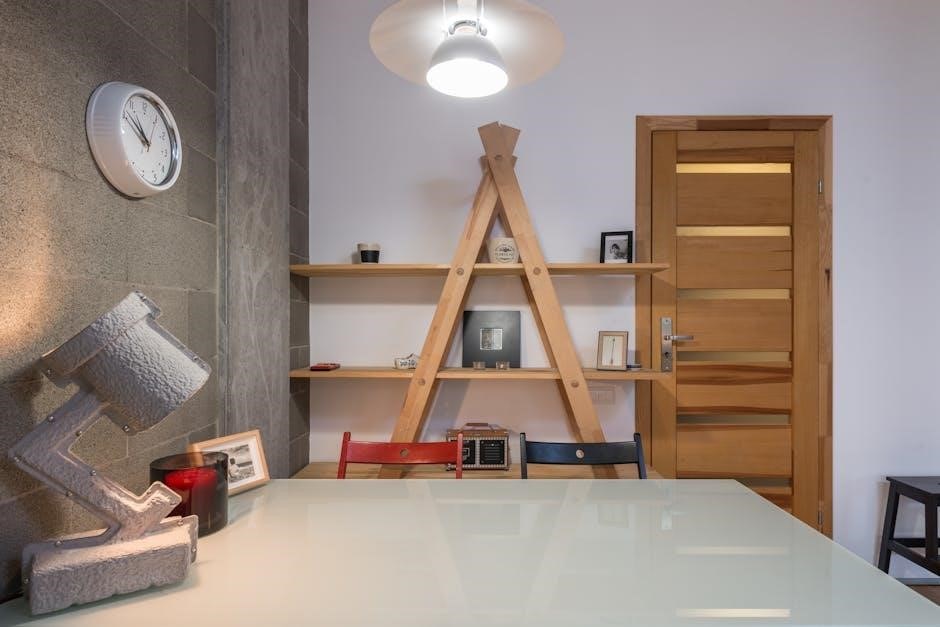
A well-chosen location enhances both the clock’s aesthetic appeal and its functional performance․
Using Appropriate Mounting Hardware
Securely mounting your Howard Miller wall clock is crucial for safety and preventing damage․ Never rely solely on the included hook‚ especially for heavier models․ Invest in wall anchors rated to support the clock’s weight plus an additional safety margin․
Consider the wall type – drywall requires different anchors than plaster or brick․ Use a stud finder to locate wall studs for the most secure attachment․ Ensure screws are long enough to penetrate the anchor or stud sufficiently․ Avoid over-tightening screws‚ which can strip the holes or damage the clock’s case․
Proper hardware guarantees a stable and lasting installation‚ protecting your investment and ensuring peace of mind․
Battery Installation (Quartz Clocks)
Powering your quartz Howard Miller clock is straightforward‚ but attention to detail is key․ Locate the battery compartment‚ typically on the back of the clock‚ often secured with a small latch or screws․ Refer to the clock’s specifications or the compartment itself to determine the correct battery type – commonly C‚ D‚ or AA batteries are used․
Always use fresh batteries for optimal performance․ Avoid mixing old and new batteries‚ or different battery types․ Ensure the batteries are clean and free of corrosion․ Proper installation guarantees accurate timekeeping and reliable operation of your clock’s features․
Battery Type Requirements
Howard Miller quartz clocks utilize various battery sizes depending on the model and features․ Commonly required batteries include sizes AA‚ C‚ and D․ Always consult your clock’s specific documentation – often found on the battery compartment door or in the original packaging – to confirm the correct type․
Using the wrong battery size can damage the clock’s movement or prevent it from functioning correctly․ Alkaline batteries are generally recommended for longer life and reliable performance․ Avoid rechargeable batteries unless specifically approved by Howard Miller‚ as their voltage may differ․ Incorrect voltage can lead to inaccurate timekeeping or malfunction․
Correct Polarity
Ensuring proper battery polarity is crucial for the correct operation of your Howard Miller quartz clock․ Always observe the (+) and (-) symbols clearly marked within the battery compartment․ Incorrectly installed batteries will prevent the clock from functioning and may potentially damage the movement․
Match the positive (+) terminal of the battery with the positive (+) marking in the compartment‚ and the negative (-) terminal with the negative (-) marking․ Double-check your installation before closing the battery door․ If the clock doesn’t start immediately‚ remove the batteries and re-insert them‚ verifying the polarity once more․

Setting the Time
Precisely set your Howard Miller clock! Follow these instructions tailored to quartz or mechanical movements for accurate timekeeping and enjoy your beautiful timepiece․
Setting Time on Quartz Clocks
Quartz clock time setting is generally straightforward․ Locate the time adjustment knob‚ typically found on the back of the clock․ This knob often has two positions: Normal and Set․ Carefully rotate the knob to the ‘Set’ position – avoid forcing it․

Once in ‘Set’ mode‚ use the same knob to turn the hands forward or backward until they display the correct time․ Ensure you observe AM/PM settings if applicable․ After achieving the desired time‚ gently rotate the knob back to the ‘Normal’ position․
Important Note: Do not attempt to manually turn the hands while the clock is in ‘Normal’ mode‚ as this could damage the delicate quartz movement․ Always use the designated adjustment knob for accurate and safe time setting․ Verify the clock is ticking after adjustment․
Setting Time on Mechanical Clocks
Setting a mechanical Howard Miller clock requires precision․ Begin by gently moving the minute hand clockwise to the desired time․ Never rotate the hands counter-clockwise‚ as this can disrupt the delicate gearing․ The hour hand will follow automatically․
Crucially‚ ensure the pendulum is swinging freely before finalizing the time․ If the clock doesn’t start immediately‚ a gentle push on the pendulum may be needed․ Observe the clock for several minutes to confirm accurate timekeeping․
Adjustment may be necessary after initial setup․ Minor discrepancies can be corrected by slightly adjusting the pendulum’s position (see ‘Adjusting the Pendulum’)․ Patience is key when working with mechanical movements․
Winding Instructions (Mechanical Clocks)
Proper winding is essential for maintaining your Howard Miller mechanical clock․ Locate the winding key – typically a double-ended key for both time and chime mechanisms․ Insert the key into the winding arbor (hole) for the time side and turn clockwise until you feel resistance․ Do not force it!
Repeat this process for the chime side winding arbor‚ again turning clockwise until resistance is met․ Overwinding can damage the clock’s delicate movement․
Typically‚ a full winding will provide approximately 30 hours of operation‚ though this can vary․ Consistent‚ gentle winding is preferable to infrequent‚ forceful winding․
Adjusting the Pendulum (Mechanical Clocks)
Precise pendulum adjustment is key to accurate timekeeping․ Locate the pendulum suspension spring or nut at the bottom of the pendulum․ To speed up the clock‚ lower the pendulum slightly – effectively shortening its swing․ To slow down the clock‚ raise the pendulum․
Make small adjustments – a fraction of an inch at a time – and observe the clock’s performance over several hours․ Avoid abrupt changes․
A stable‚ level mounting is crucial for accurate pendulum swing․ Ensure the clock is securely fastened and free from vibrations․ Patience is vital; achieving perfect accuracy may require several adjustments․

Troubleshooting Common Issues
Resolve typical problems quickly! This section provides solutions for issues like a clock that won’t tick‚ loses time‚ or has chime malfunctions․
Clock Not Ticking (Quartz)
Diagnosis is key! If your quartz Howard Miller wall clock isn’t ticking‚ the first step is verifying the battery․ Ensure a fresh battery of the correct type is installed with the correct polarity (+/-)․ A weak battery is the most frequent cause․
If a new battery doesn’t resolve the issue‚ check the battery compartment for corrosion or debris‚ hindering contact․ Gently clean if necessary․ Occasionally‚ the quartz movement itself may be faulty‚ requiring professional repair․
Avoid excessive force when inserting batteries․ Also‚ confirm the clock isn’t in a “silent mode” if equipped with that feature․ Finally‚ a brief power surge could have affected the movement; try resetting the clock․
Clock Losing Time
Consistent time loss in your Howard Miller quartz clock usually indicates a weakening battery‚ even if it doesn’t completely stop the clock․ Replace the battery with a fresh one of the correct type․ If the problem persists‚ the issue may lie within the quartz movement itself․
Environmental factors like extreme temperatures can also affect accuracy․ Ensure the clock is in a stable‚ moderate climate․ For mechanical clocks‚ insufficient winding is a common cause; wind fully and consistently․
Check for obstructions hindering the movement․ If time loss continues‚ professional servicing is recommended to diagnose and repair the quartz oscillator or mechanical gears․
Clock Chimes Not Working

Silence from your chime can stem from several causes․ First‚ verify the chime volume isn’t set to its lowest level or muted – check for a dedicated control․ Many Howard Miller clocks feature an automatic night silence function; ensure it’s not activated during desired chiming hours․
For mechanical clocks‚ a fully wound clock is essential for chime operation․ If the clock is underwound‚ the chime mechanism won’t function․ Inspect the chime rods for any obstructions or damage that might dampen the sound․
If issues persist‚ professional servicing is advised‚ as the chime mechanism may require cleaning‚ adjustment‚ or repair․
Pendulum Stopping (Mechanical)
A halting pendulum indicates an issue requiring attention․ Ensure the clock is level; even a slight tilt can impede pendulum swing․ Verify proper pendulum engagement – it should hang freely and swing without obstruction․ Check the clock’s placement; avoid areas prone to vibrations or drafts․
Insufficient winding is a common culprit․ Fully wind the clock according to the winding instructions․ Adjusting the pendulum – typically via a rating nut – can regulate its swing; small adjustments are key․
If the problem continues‚ professional servicing is recommended to diagnose and address potential mechanical issues within the movement․

Clock Maintenance & Care
Preserve your clock’s beauty and accuracy! Regular cleaning and‚ for mechanical models‚ professional lubrication are vital for long-term performance and enjoyment․
Cleaning Your Howard Miller Clock
Maintaining the pristine appearance of your Howard Miller clock is essential․ Begin by using a soft‚ dry cloth to gently dust the clock’s case and face weekly․ Avoid abrasive cleaners or polishes‚ as these can damage the finish․ For more stubborn dirt‚ lightly dampen the cloth with lukewarm water and a mild soap solution – ensuring the cloth is wrung out thoroughly to prevent water damage․
Pay special attention to the glass covering the clock face․ Use a glass cleaner specifically designed for delicate surfaces‚ applying it to the cloth‚ not directly onto the glass․ Carefully wipe the glass to remove fingerprints and smudges․ For intricate carvings or detailed ornamentation‚ a soft brush can help remove dust from hard-to-reach areas․ Always ensure the clock is powered off before cleaning․
Avoid excessive moisture‚ and never immerse any part of the clock in water․ Regular‚ gentle cleaning will help preserve the beauty of your Howard Miller clock for years to come․
Lubrication (Mechanical Clocks) ⸺ Professional Service Recommended
Mechanical Howard Miller clocks require periodic lubrication to ensure smooth and accurate operation․ However‚ due to the intricate nature of these movements‚ professional servicing is strongly recommended․ Attempting to lubricate the clock yourself can potentially cause damage if not performed correctly․
A qualified clock technician will disassemble the movement‚ carefully clean each component‚ and apply specialized clock oil to the appropriate points․ This process ensures optimal performance and extends the life of your clock․ Do not use general-purpose oils or lubricants‚ as they can gum up the delicate mechanisms․
Regular professional servicing – typically every 3-5 years – is crucial for maintaining the accuracy and longevity of your mechanical Howard Miller wall clock․ Ignoring lubrication can lead to increased friction‚ wear‚ and eventual failure․
Long-Term Storage
Preparing your Howard Miller clock for extended storage requires careful attention to prevent damage․ First‚ fully wind mechanical clocks before storage‚ allowing them to run down naturally․ This prevents springs from losing tension and potentially weakening․ For quartz clocks‚ remove the batteries to avoid corrosion․
Protect the clock from dust and humidity by covering it with a breathable cloth or placing it in a clock case․ Avoid direct sunlight and extreme temperatures․ Secure the pendulum (for mechanical clocks) to prevent damage during movement․
Periodically (every 6-12 months) check the clock for any signs of corrosion or deterioration․ Gently rewind mechanical clocks and verify quartz clocks still function correctly with fresh batteries before resuming regular use․

Advanced Features & Adjustments
Explore enhanced functionality! Customize your Howard Miller clock with chime volume control‚ automatic night silence‚ and precise leveling for optimal performance and enjoyment․
Chime Volume Adjustment
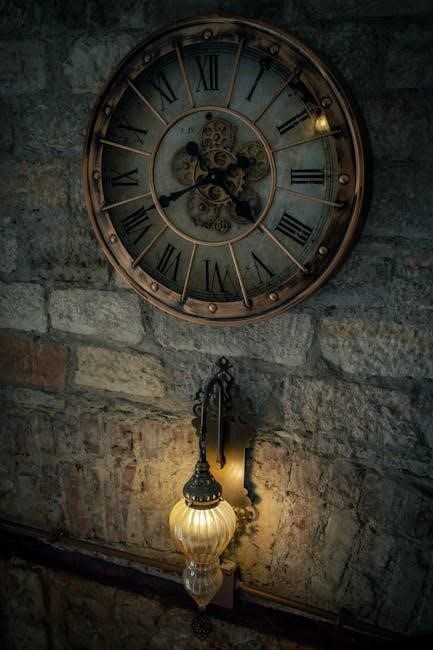
Controlling the Audibility of Your Clock’s Chimes: Many Howard Miller wall clocks feature adjustable chime volume‚ allowing you to tailor the sound to your preference and environment․ Locate the chime volume control switch‚ typically found on the back or underside of the clock movement housing․
This switch often has several settings‚ ranging from ‘Off’ (silencing the chimes completely) to ‘Low’‚ ‘Medium’‚ and ‘High’․ Experiment with each setting to find the volume that best suits your needs․ Consider the size of the room and the time of day when making your adjustment․
For quieter environments or nighttime hours‚ a lower volume setting is recommended․ Important Note: Some models may utilize a rotating dial instead of a switch for volume control․ Refer to your specific clock’s diagram if the location isn’t immediately apparent․
Automatic Night Silence
Enjoy Uninterrupted Sleep with Night Silence: A convenient feature on many Howard Miller clocks is Automatic Night Silence (ANS)․ This function automatically mutes the chime sounds during designated nighttime hours‚ ensuring peaceful sleep․ Typically‚ ANS is activated via a small switch located on the clock movement․
The switch usually has two positions: ‘ON’ (night silence active) and ‘OFF’ (normal chime operation)․ When activated‚ the chimes will be silenced for a pre-programmed period‚ generally between a specified time at night and a time in the morning․
Important: The exact time range for ANS varies by model․ Consult your clock’s specific documentation for details․ Some clocks allow for customization of the silent period․ This feature provides a thoughtful blend of timekeeping and tranquility․
Leveling the Clock
Ensuring Accurate Timekeeping & Aesthetic Appeal: Proper leveling is crucial for the accurate operation and visual harmony of your Howard Miller wall clock‚ especially those with pendulum mechanisms․ An unlevel clock can cause inaccurate timekeeping‚ uneven pendulum swing‚ and potentially damage the internal components over time․
Use a spirit level placed on top of the clock case to check for levelness in both directions – horizontally and vertically․ Adjustment: If the clock isn’t level‚ slightly adjust the mounting hardware or use small shims between the clock and the wall․
Ensure the mounting is secure after leveling․ Regularly re-check the level‚ as walls can settle․ A level clock contributes to both its longevity and its elegant presentation․
 By
By