Minnesota offers a rich landscape for foraging enthusiasts, brimming with wild edibles and medicinal plants. Renewed interest drives careful planning and proper identification skills.
Forests, wetlands, and waterways provide diverse opportunities to harvest nature’s bounty, from morel mushrooms to flavorful roots and berries.
Understanding Foraging Regulations in Minnesota
Minnesota’s foraging regulations vary depending on the land ownership. State forests and parks generally permit foraging for personal use, but commercial harvesting usually requires a permit. Always check specific park or forest guidelines before collecting anything.
Private land requires explicit permission from the landowner. It’s crucial to respect property boundaries and obtain consent beforehand to avoid legal issues. Additionally, some areas, like state wilderness areas, may have stricter restrictions or prohibit foraging altogether to protect sensitive ecosystems.
Be aware of protected or endangered plant species; harvesting these is illegal. Familiarize yourself with the Minnesota Department of Natural Resources (DNR) guidelines and any local ordinances related to foraging. Responsible foraging ensures the sustainability of these resources for future generations and maintains the health of Minnesota’s natural landscapes.
Essential Foraging Tools and Safety Gear
Successful and safe foraging requires more than just plant knowledge. A sturdy basket or breathable bag is essential for carrying your harvest, preventing damage to delicate finds. A small trowel or digging fork helps carefully extract roots without harming the plant. Sharp knives or scissors are useful for harvesting leaves and stems.
Safety is paramount. Wear appropriate clothing – long pants and sleeves – to protect against ticks, poison ivy, and thorny plants. Sturdy boots are crucial for navigating varied terrain. A first-aid kit, including insect repellent and antiseptic wipes, is a must-have.
Always carry a reliable plant identification guide and a compass or GPS device. Inform someone of your foraging location and expected return time. Consider gloves to protect your hands, and a whistle for signaling in emergencies. Prioritizing preparedness enhances your foraging experience and minimizes risks.
Identifying Common Edible Plants in Minnesota
Minnesota’s diverse ecosystems offer a wealth of edible plants, including morel mushrooms, wild raspberries, dandelions, and wild ginger, each with unique characteristics and seasonal availability.
Morel Mushrooms: A Springtime Treasure
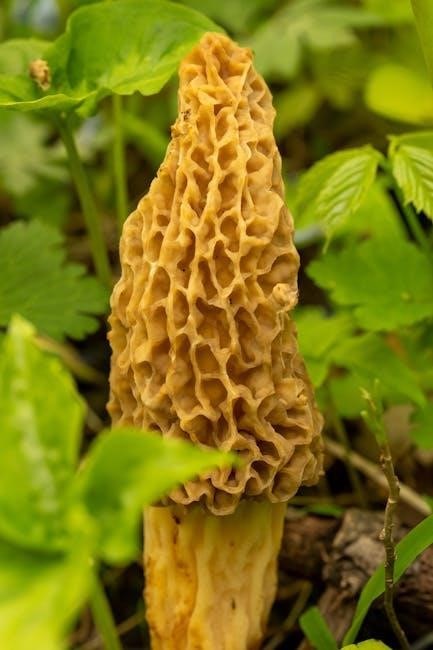
Morel mushrooms represent a highly sought-after springtime delicacy for Minnesota foragers. These distinctive fungi, with their honeycomb-like caps, typically emerge in April and May, often near elm, ash, and apple trees. Identifying morels requires careful attention, as they have false look-alikes, some of which are poisonous.
Successful morel hunting involves understanding their preferred habitats – often disturbed ground, burn sites, and along riverbanks. Foragers often keep locations secret, contributing to the mystique surrounding these elusive mushrooms. Proper harvesting involves cutting the stem rather than pulling, to allow the mycelium to regenerate. Remember to thoroughly cook morels before consumption, as they contain compounds that can cause gastrointestinal upset when raw.
The thrill of the hunt, combined with the unique earthy flavor, makes morel foraging a cherished Minnesota tradition.
Wild Raspberries and Blackberries: Summer Delights
Wild raspberries and blackberries offer a sweet reward for summer foraging in Minnesota. These brambles thrive in sunny locations, often along trails, forest edges, and disturbed areas. They are relatively easy to identify, making them excellent choices for beginner foragers.
Minnesota boasts both red and black raspberries, each with a distinct flavor profile. Blackberries, while less common, can also be found. Look for plants with compound leaves and thorny stems. The berries are typically ripe from July through August, displaying a deep, rich color and easily detaching from the core.
Enjoy these berries fresh, or preserve them through canning, freezing, or making jams and jellies. Ethical harvesting involves leaving plenty of berries for wildlife and allowing the plants to regenerate.
Dandelions: The Ubiquitous Edible Flower
Dandelions (Taraxacum officinale) are arguably the most recognizable “wild” plant in Minnesota, and thankfully, entirely edible! These cheerful yellow flowers pop up in lawns, fields, and disturbed areas, offering a readily available foraging opportunity throughout spring and summer.
Every part of the dandelion is usable – the flowers, leaves, and roots. Young leaves are best harvested before flowering, offering a slightly bitter, nutritious green for salads. Flower petals can be used to make dandelion wine or fritters. The roots, when roasted, can be used as a coffee substitute.
Dandelions are packed with vitamins and minerals. However, avoid harvesting from areas treated with pesticides or herbicides. Their widespread presence makes them a fantastic starting point for new foragers.
Wild Ginger: Flavorful Root and Leaves
Wild Ginger (Asarum canadense) is a woodland plant prized for its aromatic root and heart-shaped leaves. Found in rich, moist forests of Minnesota, it offers a unique flavor profile reminiscent of true ginger, though not closely related.
The rhizome (underground stem) is the most potent part, used sparingly as a spice. It possesses a warm, ginger-like flavor, excellent in teas or culinary dishes. The leaves, while edible, are less commonly used and have a milder, peppery taste.
Important Caution: Wild Ginger can be easily confused with other plants. Proper identification is crucial. Harvest sustainably, taking only a small portion of the root to allow the plant to regenerate. Respect its habitat and avoid over-collection.
American Raspberry: A Minnesota Staple
American Raspberry (Rubus occidentalis) is a beloved and easily recognizable fruit found throughout Minnesota’s diverse landscapes. Thriving in disturbed areas, forest edges, and along trails, these berries offer a delightful summertime treat for foragers.
Distinguished by their larger size and slightly tart flavor compared to cultivated varieties, wild raspberries are incredibly versatile. Enjoy them fresh, baked into pies, or preserved as jams and jellies. The plants are typically found in thickets, making harvesting a rewarding experience.
Look for canes with thorns and compound leaves. Berries transition from red to a deep, almost black hue when ripe. Sustainable harvesting involves leaving plenty of berries for wildlife and allowing the plants to propagate naturally.
Medicinal Plants Found in Minnesota
Minnesota’s ecosystems harbor numerous plants with traditional medicinal uses, including purple coneflower for immunity and wood sorrel, a natural Vitamin C source.
Purple Coneflower: Immune-Boosting Properties

Purple Coneflower (Echinacea purpurea) is a striking wildflower, easily recognized by its vibrant pinkish-purple petals and prominent central cone. Historically, Native American tribes utilized this plant extensively for its medicinal properties, employing it to treat a wide range of ailments, from wounds and burns to snakebites and infections.
Modern research supports many of these traditional uses, demonstrating that purple coneflower possesses potent immune-boosting capabilities. Compounds within the plant stimulate the production of white blood cells, enhancing the body’s natural defenses against viruses and bacteria. It’s often used to shorten the duration and severity of colds and flu;
The roots, leaves, and flowers are all medicinally active, though the roots are generally considered the most potent. When foraging, ensure proper identification to avoid confusion with similar-looking plants. Sustainable harvesting practices are crucial to ensure the plant’s continued abundance.
Wood Sorel (Oxalis): Vitamin C Source
Wood Sorel (Oxalis species) is a charming, clover-like plant often found in woodlands and shaded areas throughout Minnesota. Easily identifiable by its heart-shaped leaves and delicate, white or pinkish flowers, it offers a surprising nutritional punch. Historically, Wood Sorel has been valued as a refreshing and revitalizing food source.
The plant is particularly notable for its high Vitamin C content – a significant benefit, especially during times when fresh fruits and vegetables were scarce. The leaves and stems have a lemony, tart flavor due to the presence of oxalic acid, hence the genus name. This acidity contributes to its Vitamin C preservation.
Wood Sorel can be enjoyed raw in salads (in moderation due to oxalic acid), or cooked like spinach. Responsible foraging involves taking only a small portion of the plant, leaving plenty to regenerate and thrive.
Garlic Mustard: Edible and Invasive Species
Garlic Mustard (Alliaria petiolata) presents a unique situation for Minnesota foragers – it’s both edible and a highly problematic invasive species. Introduced from Europe, it aggressively outcompetes native plants in forested areas, disrupting ecosystems. Identifying it is relatively straightforward: look for kidney-shaped leaves with toothed edges and a distinctive garlic-like odor when crushed.

All parts of the plant are edible, offering a flavor profile that combines garlic and mustard. Young leaves are excellent in salads or pesto, while mature leaves can be cooked like spinach. The flowering stalks are also edible.
Because of its invasive nature, harvesting Garlic Mustard is actively encouraged! Foraging it helps control its spread. However, be certain of your identification to avoid consuming similar-looking, potentially toxic plants. Removing seed heads before they mature is crucial for limiting its propagation;
Navigating Minnesota’s Diverse Ecosystems for Foraging
Minnesota’s varied landscapes – forests, wetlands, and rivers – each harbor unique edible plants. Successful foraging requires understanding these ecosystems and identifying specific woodland or water-loving species.

Foraging in Forests: Identifying Woodland Plants
Minnesota’s forests are a prime location for foraging, offering a wealth of edible treasures. Careful identification is paramount, as many plants have look-alikes. Morel mushrooms, a springtime delicacy, are highly sought after, but require expertise to confidently identify. Wild ginger, with its flavorful root and leaves, thrives in shaded woodland areas, but sustainable harvesting is crucial.

American raspberry bushes are a Minnesota staple, often found along forest edges. Remember to respect private property and obtain permission when foraging on land you don’t own. Be aware of potential hazards like ticks and poison ivy. Prioritize learning a few plants well, rather than attempting to identify everything at once. Always cross-reference multiple sources before consuming any wild plant.
Focus on areas with diverse plant life, indicating a healthy ecosystem. Observe the surrounding environment and note any signs of pollution or pesticide use. Responsible foraging ensures the continued availability of these resources for future generations.
Foraging in Wetlands: Marsh Marigold and Other Finds
Minnesota’s wetlands present unique foraging opportunities, but require extra caution due to potentially hazardous conditions and plant identification challenges. Marsh marigold (cowslip) can be found in these areas, but proper preparation is essential as it contains irritants when raw. Always thoroughly cook marsh marigold before consumption.
Wetlands also harbor other edible plants, though identification can be tricky due to similar-looking species. Be mindful of water quality and avoid foraging in areas with signs of pollution. Wear waterproof boots and be aware of the potential for deep mud and hidden obstacles. Respect the delicate ecosystem of wetlands and harvest responsibly, taking only what you need.
Remember to check local regulations regarding foraging in wetland areas, as some may be protected. Prioritize safety and accurate plant identification to ensure a rewarding and safe foraging experience.
Foraging Along Rivers and Lakes: Water-Loving Edibles
Minnesota’s numerous rivers and lakes support a variety of edible plants adapted to moist environments. Careful identification is paramount, as some aquatic plants can resemble poisonous species. Look for areas with stable banks and clear water for safer foraging.
While specific plants aren’t explicitly detailed in available information, the general principle applies: prioritize positive identification before consumption. Be aware of potential contamination from agricultural runoff or industrial sources. Respect private property and obtain permission before foraging near shorelines.
Always practice Leave No Trace principles, minimizing your impact on the riparian ecosystem. Consider the potential effects of harvesting on wildlife that relies on these plants for food and shelter. Responsible foraging ensures the sustainability of these valuable resources for future generations.

Important Considerations for Sustainable Foraging
Ethical harvesting and accurate plant identification are crucial for sustainable foraging. Prioritize safety, plan carefully, and avoid consuming anything unless positively identified.
Ethical Harvesting Practices
Responsible foraging ensures the longevity of plant populations and maintains the health of Minnesota’s ecosystems. Always obtain permission before foraging on private land, and be aware of regulations within state parks and forests.
Harvest sparingly, taking only what you need and leaving the majority of the plant undisturbed to regenerate. Avoid collecting rare or endangered species, and never uproot entire plants unless specifically permitted and necessary.
Spread impact by rotating harvesting locations each season, allowing previously foraged areas to recover. Minimize disturbance to the surrounding habitat, avoiding trampling of vegetation and disruption of wildlife. Consider the plant’s role in the ecosystem – it may be a food source for animals or contribute to soil health. Practice “leave no trace” principles, packing out all trash and minimizing your footprint.
Plant Identification and Avoiding Poisonous Look-Alikes
Accurate plant identification is paramount for safe foraging. Never consume a plant unless you are 100% certain of its identity, utilizing multiple reliable sources – field guides, expert advice, and cross-referencing. Many edible plants have poisonous look-alikes, and misidentification can have severe consequences.
Pay close attention to all plant characteristics: leaves, stems, flowers, fruits, and roots. Note the habitat where the plant grows and compare it to descriptions in your guides. When learning new plants, start with easily identifiable species and gradually expand your knowledge.
If unsure, err on the side of caution and do not eat the plant. Consider taking a foraging class with a knowledgeable instructor. Be especially cautious with mushrooms, as many are highly toxic. Always cook foraged plants thoroughly, as some contain toxins that are neutralized by heat.
 By
By